

Why device classification matters
In Australia, devices used to administer therapeutic cannabis are regulated by the TGA as medical devices — separately from the cannabis medicine itself. This distinction matters because a vaporisation device intended for therapeutic cannabis use is not the same category as a consumer vaporiser sold in a retail store.
Medical device regulation exists to provide assurance that a device is safe, performs as intended, and has been manufactured to an appropriate quality standard. For patients using dried medicinal cannabis flower by inhalation, the vaporiser is the interface through which the medicine is administered. A device that has not been assessed by the TGA as a medical device has not been subject to the same safety, performance, and biocompatibility evaluations.
Understanding the difference helps patients, prescribers, and pharmacists make more informed decisions about which devices are appropriate for therapeutic use.
How the TGA classifies medical devices
The TGA uses a risk-based classification system for medical devices, running from Class I (lowest risk) through Class IIa, Class IIb, Class III, and AIMD (active implantable medical devices, highest risk). The class assigned to a device determines the level of regulatory scrutiny applied before it can be placed on the ARTG.
Low-risk Class I devices (such as many bandages and simple tools) can be included in the ARTG with a relatively straightforward process. Higher-risk devices require a full conformity assessment, which involves an independent review of the device's design, manufacturing processes, clinical evidence, and post-market surveillance plan.
The classification is based on factors including the device's invasiveness, its intended duration of use, and whether it delivers energy to the body or the effect of a medicine.
What Class IIb assessment covers
Class IIb is a medium-high risk device classification. Vaporisation devices that actively heat dried cannabis flower and deliver the resulting vapour for inhalation fall within the higher device classes because they actively interact with the body through inhalation.
Devices assessed at this classification level are subject to a conformity assessment by a TGA-approved body, which evaluates the manufacturer's quality management system, the device's design documentation, and clinical and technical evidence. For a vaporiser, this includes assessment against safety and performance standards such as:
- Electrical safety (IEC 60601-series)
- Biocompatibility of materials in contact with the user (ISO 10993-series)
- Vapour pathway safety standards (ISO 18562-series)
All of these standards must be met without failures before the device can achieve ARTG inclusion. This assessment process is substantially more rigorous than what a consumer retail device undergoes.
ARTG inclusion for medical devices
Once a device has successfully completed conformity assessment and its sponsor has submitted the required application and documentation, the TGA can include the device on the ARTG. ARTG inclusion creates a public record that can be viewed and verified by any member of the public, prescriber, or pharmacist via the TGA's online search.
The record includes the sponsor name, device description, intended purpose, device class, and ARTG start date. ARTG inclusion also places post-market obligations on the sponsor, including reporting of adverse events and device problems to the TGA. This ongoing monitoring is part of the regulatory assurance picture and does not end at market entry.
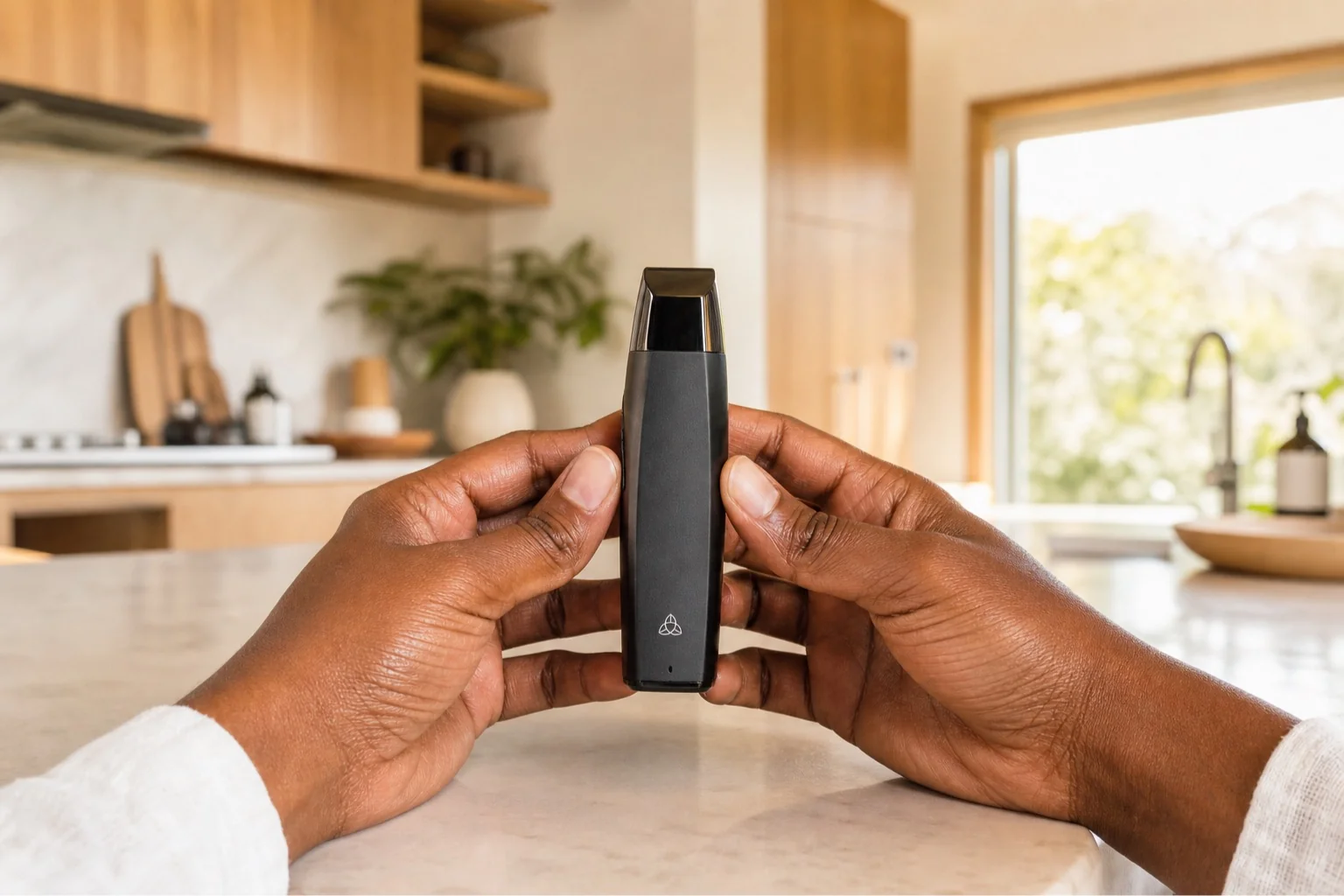
The Grenco Medical Elite II Vaporiser is included on the ARTG as Entry 526764, Class IIb.
Consumer devices vs medical-grade vaporisers
Consumer vaporisers are generally designed for use with tobacco, nicotine products, or aromatherapy and are sold through retail channels. They are not medical devices and have not been assessed by the TGA for the safety, performance, and biocompatibility requirements that apply to a Class IIb medical device.
Key differences that a formal medical device assessment evaluates include:
- Temperature accuracy and consistency (important for cannabinoid release)
- Materials used in the vapour path (biocompatibility with inhaled air and vapour)
- Electrical safety
- Labelling compliance
- Post-market surveillance systems
Without formal assessment, none of these factors can be verified against a recognised standard. This does not mean consumer devices are necessarily unsafe, but it does mean they carry regulatory and clinical uncertainty that a TGA-assessed device does not. Prescribers and pharmacists recommending devices for therapeutic cannabis patients are well positioned to consider these distinctions.
How to verify a device's regulatory status
Verifying a device's ARTG status is straightforward using the TGA's public tools. The TGA ARTG search is accessible via the TGA website and allows users to search by ARTG entry number, product name, sponsor name, or device description.
For the Grenco Medical Elite II, the entry number is 526764 and the sponsor is Mood State Medical Pty Ltd. The record shows device class, ARTG start date, and intended purpose description.
- Healthcare professionals evaluating devices for patient use can use this record as part of their clinical assessment process.
- Pharmacists stocking or recommending devices can use it to confirm regulatory standing.
- Patients who want to verify their device can also look up the entry directly.
The TGA website also provides broader guidance on medical device classification and regulation for those who want more background on the regulatory framework. The official record for this device is at TGA ARTG Entry 526764.
Sources
- TGA — Medical device classification.
- TGA — Essential Principles checklist for medical devices.
- TGA ARTG Entry 526764.
- TGA — Conformity assessment.
- ISO 10993 Biological evaluation of medical devices (standards reference).